The Nature of Casino Odds
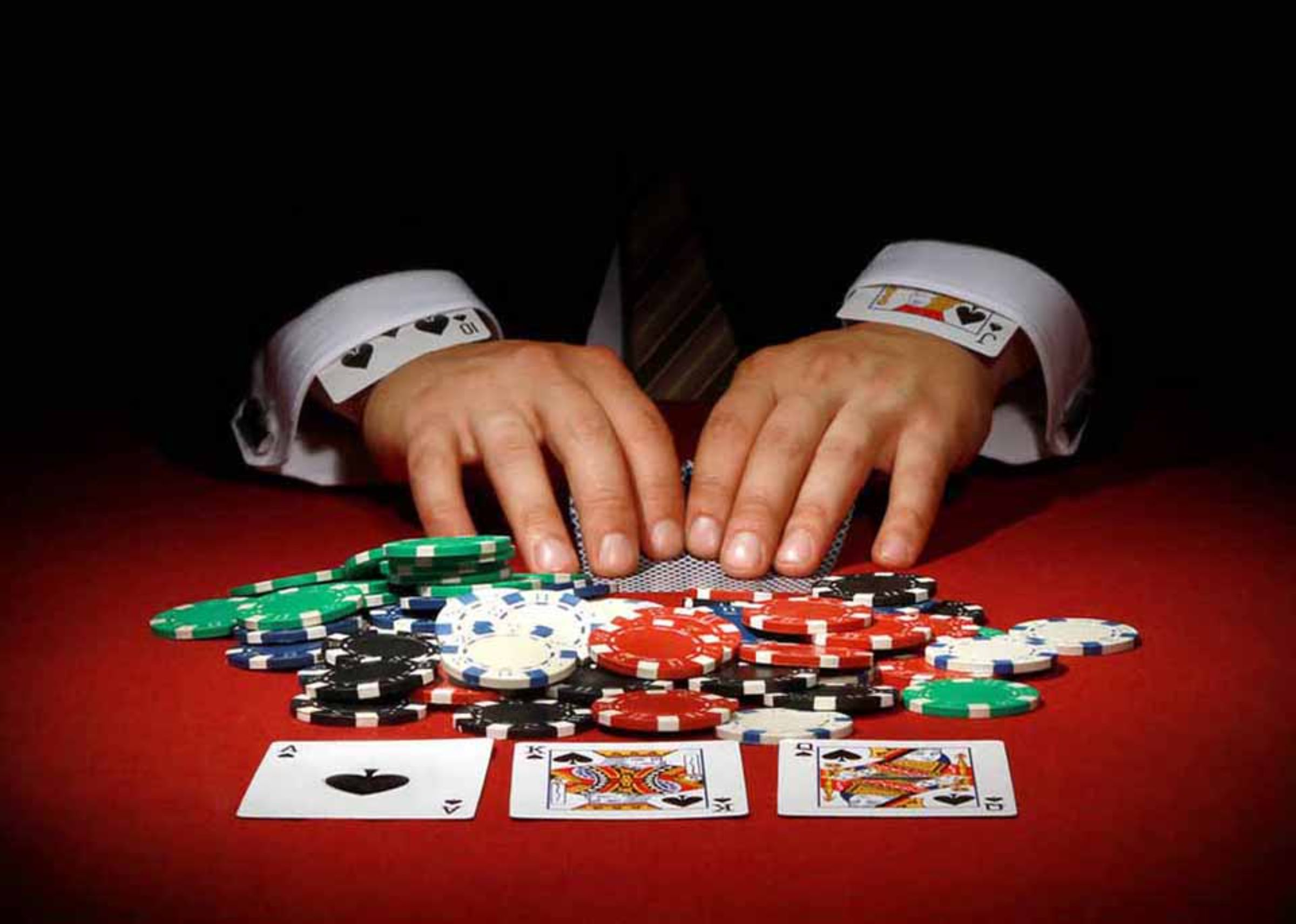
Understanding the odds in a casino is critical to grasping whether it is possible to “beat” them. Casino games are designed with a house edge, which means the odds are inherently in favor of the establishment. This house edge varies by game and is built into the rules. For instance, while a slot machine may offer a return-to-player (RTP) percentage of around 95%, the house retains the other 5% over time. Additionally, players exploring bitcoin betting sites can find various options that may influence their strategies. This means that although players can experience short-term wins, the odds favor the casino in the long run. Over a significant number of games, this edge ensures that the casino will profit, making it essential for players to acknowledge the odds at play.

The concept of expected value is fundamental in appreciating casino odds. For every bet placed, you can calculate the expected value based on the probability of winning and the payout. Understanding expected value allows gamblers to make informed decisions about which games to play and how much to wager. For example, games like blackjack and poker allow for a greater influence over outcomes through skill, while games like roulette and slots rely entirely on chance. By analyzing the expected value of various betting options, players can make strategic choices that align with their desired gameplay style and risk tolerance.
The perception of beating the odds often stems from anecdotes of lucky players and stories of monumental wins, which can create a false sense of possibility that individuals can consistently outplay the odds. However, while it is possible to win on occasion, the structured nature of casino games ensures that these moments are exceptions rather than the rule. Consequently, it is crucial for players to set realistic expectations and recognize that long-term success in casinos is extremely rare. In essence, understanding the nature of casino odds provides a more grounded perspective on the gambling experience.
Strategies for Beating the Odds
Although the house edge makes it challenging to win consistently, certain strategies can help players improve their chances. In games like blackjack, players can employ techniques such as card counting, which aims to track the ratio of high cards to low cards left in the deck. This method can shift the odds slightly in favor of the player, allowing for calculated bets based on the likelihood of favorable outcomes. However, casinos have measures in place to counteract this method, and it requires a solid understanding of the game to execute effectively. Furthermore, while card counting can offer an edge, it is important to recognize that it is not a foolproof strategy; skilled dealers and casino surveillance can quickly identify players using this tactic.
Another effective strategy focuses on bankroll management, which revolves around controlling how much money you wager in relation to your total funds. By setting limits and adhering to a predefined budget, players can stretch their gambling experience and potentially come away with wins. Emotional discipline is essential; remaining calm and collected can prevent impulsive decisions that often lead to losses. This includes knowing when to walk away and not chasing losses, as doing so often leads to further financial strain. While these methods can enhance your chances, they cannot guarantee victory, emphasizing the need for a balanced approach to gambling.
The importance of understanding game odds cannot be overstated. Players should familiarize themselves with the rules and odds of different games before placing any bets. Many games offer varying levels of risk and reward, and recognizing these nuances can help players make smarter choices. For example, while high-stakes games may offer larger potential payouts, they also come with increased risks. By understanding the intricacies of each game, players can make informed decisions that align with their risk tolerance and gaming style. This knowledge empowers players to engage with games more strategically, increasing their chances of having a positive experience.
The Role of Luck in Gambling
Luck is undeniably a major factor in gambling, particularly in games of chance. While strategies can influence outcomes, the role of chance cannot be underestimated. Every spin of a slot machine or roll of the dice introduces randomness that can lead to unpredictable results. This randomness is part of what makes gambling exciting; the thrill of not knowing whether you will win or lose adds to the allure of casino games. However, it is essential to understand that while luck can lead to significant wins, it is also a double-edged sword that can result in substantial losses if players are not careful in their approach.
Moreover, the psychological aspect of luck plays a critical role in how players engage with gambling. Many individuals believe in lucky numbers, rituals, or superstitions, which can affect their betting behavior. These beliefs often stem from personal experiences or cultural influences and may provide players with a sense of agency and control. However, it is crucial to remember that these beliefs do not statistically alter the odds. Ultimately, luck remains a major variable that is outside the control of any player, underscoring the inherent unpredictability of casino games and reinforcing the need for responsible gambling behavior.
The illusion of control can sometimes lead gamblers to make poor decisions, such as chasing losses or increasing bets after a win. Recognizing the limitations of skill and the overwhelming influence of luck is crucial for responsible gambling. Adopting a healthy mindset about luck can help players maintain a positive relationship with gaming while reducing the risk of developing problematic gambling behaviors. Understanding that luck is fleeting can encourage players to enjoy the experience without setting unrealistic expectations for continued success or relying solely on chance to achieve their desired outcomes.
The Emotional and Financial Impact of Gambling
Gambling can have significant emotional and financial consequences for individuals. While many people engage in gambling as a form of entertainment, it can quickly escalate into a source of stress and anxiety if not managed properly. The thrill of winning can lead to increased activity, while losses may cause feelings of despair and frustration. Recognizing the emotional implications of gambling is vital for players to maintain a healthy balance. Understanding one’s own motivations for gambling can help prevent harmful patterns of behavior, allowing individuals to enjoy the entertainment aspects without falling into the traps of addiction or compulsive gambling.
Financially, the risks associated with gambling can lead to severe consequences if unchecked. Individuals may find themselves spending beyond their means, attempting to recover losses through riskier bets. This approach often results in deeper financial troubles and can lead to difficulties in personal and professional life. Responsible gambling practices, such as setting budgets and taking regular breaks, can help mitigate these risks. Awareness of the potential dangers associated with gambling is crucial for long-term enjoyment and financial stability, ensuring that players do not sacrifice their well-being in pursuit of wins.
Furthermore, casinos are often equipped with resources to help individuals who may be experiencing gambling-related issues. Many establishments offer support and information for those seeking help, emphasizing the importance of responsible gambling. Players can benefit from consulting these resources to reinforce their understanding of healthy gambling habits. By prioritizing emotional and financial well-being, individuals can enjoy casino experiences without compromising their personal stability. Embracing these resources can foster a safer gambling environment and promote a culture of awareness and responsibility among players.
Conclusion: Understanding Your Casino Experience
Ultimately, successfully beating the odds at a casino involves a blend of knowledge, strategy, and understanding of the inherent risks involved. While some players may experience short-term success, the structured odds of casino games favor the house over time. By adopting responsible gambling practices and staying informed about the games they choose to play, individuals can engage in casino gaming for enjoyment while minimizing potential drawbacks. The thrill of gaming is not just about winning but also about the experience itself, emphasizing the importance of enjoying the process rather than solely focusing on outcomes.
Your approach to gambling should focus on enjoyment and entertainment rather than solely on winning. Setting realistic expectations and understanding both the psychological and financial implications of gambling can enhance your overall experience. Remember that luck plays a significant role, and while it’s possible to have winning streaks, they are not guaranteed. Embracing the random nature of games can help cultivate a healthier perspective on gambling, allowing players to appreciate the experience for what it is—a form of entertainment.
In conclusion, keeping a balanced view toward casino gaming is essential for enjoyable participation. Players who recognize the limitations of their strategies and the role of luck can approach the experience with a mindful attitude. Every visit to a casino should be seen as an opportunity for entertainment and fun rather than a pursuit of profit. With this mindset, individuals can appreciate their gaming experiences while safeguarding their emotional and financial well-being, ensuring a healthier relationship with gambling in the long run.